Before Using a Crypto Wallet, Map Your Recovery Plan
TL;DR: A crypto wallet looks like a normal app, but it can put much more responsibility on you than a bank app does. Before you pick one, work out who controls the keys, what you would need if your phone died tomorrow, and where your recovery information lives. Write that plan down without writing down any secrets. This is education only: we are not recommending any coin, wallet or exchange.
Key takeaways
- A wallet does not hold your crypto. It holds the keys that let you prove ownership and move assets, so losing keys can mean losing access.
- Some wallets are managed by a provider and some are managed by you. The recovery process is completely different for each.
- Regulators say crypto held with a platform is not insured like a bank deposit, and most transfers cannot be reversed.
- Recovery phrases and private keys need a storage plan that covers damage, theft and online exposure.
- Fake support and “we can recover your funds” offers are common scam patterns. Verify contacts yourself.
A wallet is an access system, not a bank app
FINRA explains that a wallet does not actually contain your crypto. The ownership record lives on a blockchain, and the wallet is what lets you prove ownership and receive, store, use or transfer assets. It does that with keys. A public key works like an address others can send to. A private key is a secret that functions like a password and approves transfers, so FINRA warns that losing it, or having it stolen, can cost you access to your assets.
The big question is who holds those keys. FINRA’s buying and selling page says you can use a custodian to hold them for you, or you can hold them yourself (“self-custody”). With a provider-managed setup, you depend on the provider’s security, terms and support process. With self-custody, recovery is largely on you.
Either way, the safety net is thinner than people expect. The FTC says crypto is not insured like bank deposits and that if a platform fails or is hacked, no one is obligated to help you get money back. FINRA says the FDIC does not insure assets issued by non-bank entities such as crypto exchanges, and that legal remedies for theft or loss may not be available. The FTC adds that crypto transactions are typically irreversible, so recovery usually depends on the recipient sending funds back.
Map it in three boxes: device, account, recovery
Grab a note app and draw three boxes. For each one, ask what happens if it disappears and what you would need to get back in. Here is a worked layout you can adapt, using made-up situations rather than real ones.
| Box | Question to answer | If provider-managed | If self-managed |
|---|---|---|---|
| Device | What if my phone or laptop is lost, broken or stolen? | Note how to sign in from a new device and what verification the provider asks for. | Keys on a lost phone may be gone for good, according to FINRA, unless you have a backup. |
| Account | What if I lose my login or second step? | Find the provider’s official recovery steps and terms before you need them. | There may be no account to reset, so the backup matters more. |
| Recovery | What actually restores access? | The provider’s support process, plus what it can and cannot fix. | The documented backup, usually a recovery phrase. |
Write one line under each box: who can fix it, what you must do yourself, and which official page explains it. If you cannot fill in a row, that is the part to understand before you add more money.
Hot, cold and what each asks of you
FINRA describes two broad kinds of storage, and each trades convenience for responsibility.
- Hot wallets are internet-connected software wallets. They are easy to use, often free, and you do not have to memorize keys. The trade-off is exposure to hacking and malware, and keys stored on a lost phone may be unrecoverable.
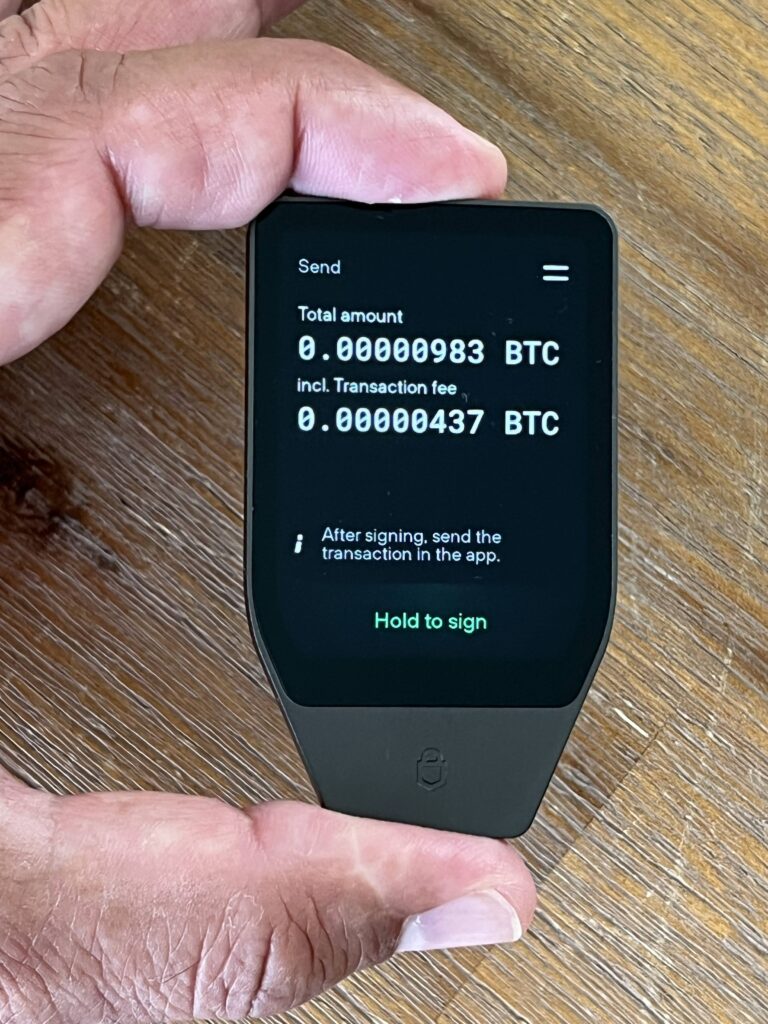
- Cold wallets are offline, such as hardware devices. FINRA says they are generally better for long-term storage and harder to hack, but they cost money and can break, be lost or be stolen.
Neither is “the safe one.” They fail in different ways, which is why the map above matters more than the label. Device malware is a real wallet risk, too. Kaspersky’s December 2025 report on a stealer that spread as game cheats and mods says it targeted 115 browser extensions for crypto wallets, two-factor authentication and password managers, plus roughly 80 wallet apps. Being picky about what you install is part of your recovery plan.
Plan where recovery information lives
FINRA describes a seed phrase as a backup used to restore or recover funds, and says it still needs protection. Because it can bring a wallet back, treat it as seriously as a private key. FINRA suggests a physically secure place such as a safe or a bank safe deposit box. It also says to keep private keys and seed phrases out of internet-connected files such as cloud drives, and to be cautious about printing keys.
Think through these before you pick a spot:
- Fire, water or a house move: can one damaged piece of paper end your access?
- Theft: who can physically reach it, including visitors and roommates?
- Online copies: a photo, note or cloud file could create a second exposure. Kaspersky advises keeping two-factor backup codes out of text files, notes and browsers.
- Sample phrases: never use one from a guide or video for a real wallet.
Keep your plan document separate from the secrets. The plan should name the official website, the steps and the storage location, but never contain the phrase or key itself. Write it so a tired, stressed version of you could follow it.
Spot fake support and “recovery” offers
Moments of panic are when scammers show up. The FBI’s Internet Crime Complaint Center warned in August 2024 about people posing as crypto exchange staff who contact victims unprompted and say an account is under attack or has a problem. They push you to “safeguard” it by sharing login details, clicking a link or providing identification. The FBI’s advice is to hang up and call the number on the provider’s official website or app, type the address yourself, and never share login details with someone who asks.
FINRA describes similar spoofing: fraudsters may pose as tech support, or get people to store keys with fake providers or move wallets to fraudulent services. Treat any request for your recovery phrase or private key as a red flag, in line with FINRA’s advice to be skeptical of anyone claiming to be a business or government institution who asks for access.
Then comes the second wave. The FTC has warned that after a big exchange failure, scammers posed as agencies and companies offering to recover people’s money for an upfront fee or account details. It says legitimate organizations do not contact people this way. The FBI calls recovery offers a common follow-on scam too.
Your wallet plan card:
- I know whether my wallet is provider-managed or self-managed, and can explain it in one sentence.
- I have the official website address saved, and I reach support only through it.
- I know what I would need if my device vanished: another device, a login, a backup or a recovery phrase.
- My recovery information has a storage plan that covers damage, theft and online exposure.
- I will not share a recovery phrase, private key or login with anyone who contacts me first.
- I will revisit this plan after a new phone, a new wallet or a change of provider.
Frequently asked questions
Is crypto in a wallet insured like money in a bank?
The FTC says crypto is not insured like FDIC-insured deposits, and FINRA says the FDIC does not insure assets issued by non-bank entities such as crypto exchanges. Read your provider’s own terms to see what protections, if any, it describes.
What happens if I lose my phone?
It depends on the setup. FINRA says keys stored on a lost phone may be gone for good. A provider-managed account may have a recovery process, and a self-managed wallet usually relies on the backup. That is why the device box in your map exists.
Can a stolen or mistaken transfer be reversed?
Usually not. The FTC says crypto transactions are typically irreversible, and FINRA says recovering stolen assets is rare. If you are scammed, the FTC lists places to report, including ReportFraud.ftc.gov, the CFTC, the SEC, the Internet Crime Complaint Center and the exchange you used.
Someone offered to recover my lost crypto for a fee. Is that legitimate?
Treat it as a scam. The FTC says legitimate organizations do not make unsolicited recovery offers and that asking for payment by crypto, gift card or wire is a sign of fraud. The FBI says recovery offers are a common follow-on scam.
Before you decide
The best wallet plan is practical, not impressive. It tells you who controls access, which problems support can fix, and which jobs stay yours. If you cannot explain a term in your own plan, spend time understanding it before you add more money. Convenience at setup is only one part of choosing a wallet. We cannot tell you which product or asset suits you, and fees, features and policies change, so check each provider’s own pages.
Sources
- Storing Crypto Assets, FINRA
- Crypto Assets – Risks, FINRA
- Crypto Assets – Buying and Selling, FINRA
- What To Know About Cryptocurrency and Scams, Federal Trade Commission (consumer.ftc.gov)
- FBI Warns of Scammers Impersonating Cryptocurrency Exchanges, FBI Internet Crime Complaint Center (IC3)
- Worried about crypto exchange losses? Don’t pay money for “help” recovering money, Federal Trade Commission (consumer.ftc.gov)
- Stealka stealer: the new face of game cheats, mods, and cracks, Kaspersky
Last updated: November 2026. This article is general information, not financial advice.