Thrifting Online: Check Fit, Fabric and Return Rules First

TL;DR: Secondhand shopping online is great for your wallet and your closet, but you can’t try anything on. Before you tap buy, compare the listed measurements to a piece you already own, read the fiber and care details, decode the condition wording, read the return rules for that specific seller, and pay in a way that lets you dispute the charge. Five minutes of checking beats a pile of “final sale” regret.
Key takeaways
- Letter sizes mean very little on pre-owned clothes. Measurements in inches or centimeters are the real size.
- Fiber content and care instructions tell you how a piece will wear, shrink and clean. If the listing skips them, ask or move on.
- Words like “used,” “as is” and “refurbished” signal lower condition. Look for several photos of the actual item.
- Return rules are set seller by seller, so read them for the exact listing, not just the app’s homepage.
- Credit cards generally give the strongest dispute protection. Gift cards, wire transfers, payment apps and crypto are scammer favorites.
Why secondhand online is a different game
In a physical thrift store you can hold the jacket and check the zipper. Online, you get a few photos and a description written by a stranger, who might be a careful seller or someone clearing a closet in ten minutes. The work you’d do in the fitting room has to happen before checkout. It’s a short routine, and it gets automatic fast.
Step 1: Ignore the size tag, trust the measurements
A “Medium” from one decade or brand can fit like a different size from another. Add years of washing and the number on the tag gets even less useful. So scroll the listing for actual measurements, and if there aren’t any, message the seller and ask.
A simple method: lay a favorite item that fits you well on a flat surface, measure it, and keep those numbers in your phone notes. Then compare them to the listing. These are the ones that matter most:
- Tops and jackets: chest (pit to pit, flat), length, shoulder width and sleeve length.
- Pants and skirts: waist, hip, rise and inseam.
- Dresses: bust, waist, hip and total length.
Check whether the seller measured flat or around the full circumference. Flat numbers are usually half of the full-circle number, so a listing that says “waist 16” is probably a flat measurement. If it’s unclear, ask before you buy.
Step 2: Read the fabric and care details
Fabric decides whether that great find becomes a staple or a laundry disaster. The FTC’s guidance for businesses explains that textile labels generally show the fiber content, the country of origin and who made or sold the item. Fibers are listed from the biggest share to the smallest, and the percentages are allowed a small tolerance of up to 3 percent. So a label that says 40 percent cotton could be a little above or below that number.
That guidance also says that if an online ad mentions a fiber, the fiber information should be in the ad. Keep in mind that this guidance is written for businesses selling textile products. It does not say how it applies to a person reselling one pre-owned item, so don’t count on every listing following it. If a listing says nothing about material, ask for a photo of the inside tag.
What care labels are supposed to tell you
Under the FTC’s Care Labeling Rule, clothing makers must provide a washing or drycleaning instruction on a permanent label that should stay readable for the garment’s useful life. They also need reliable evidence behind each instruction. The FTC explains that “Dry clean only” is meant for garments that can be safely drycleaned but would be damaged by washing. A plain “Dry clean” instruction doesn’t carry that warning on its own.
The FTC page doesn’t say whether the rule covers pre-owned clothes, so treat it as background on what a label means, not a promise from the seller. Tags also get cut out or fade. No tag in the photos means some guesswork on cleaning.
| Listing detail | What to look for | If it’s missing |
|---|---|---|
| Measurements | Flat or around, in inches or cm | Ask for them before paying |
| Fiber content | Percentages from the inside tag | Ask for a tag photo |
| Care instructions | Wash, dry and any dry clean only warning | Assume extra care and cost |
| Condition notes | Stains, pilling, odors, repairs, flaws | Ask for close-ups |
| Return terms | Window, who pays shipping, fees | Treat it as final sale |
Step 3: Decode condition wording and photos
There’s no single condition scale that every site and seller follows. “Like new,” “gently used” and “good” can mean different things from one listing to the next, so judge by the photos and the flaws the seller admits to.
The FTC’s marketplace advice is helpful here. It suggests looking for several photos of the actual item rather than stock images, and reading condition descriptions closely, since terms like “used,” “as is” or “refurbished” point to lower quality.
In practice, ask for close-ups of the armpits, collar, cuffs, hems, knees and zippers. These are where wear shows up first. Ask about smells too, like smoke, perfume or mustiness, because photos can’t show that, and they can be stubborn to remove.
Step 4: Spot the obvious red flags
Most sellers are just regular people. A few listings, though, are traps. These are patterns the FTC flags for online shopping in general:
- A name-brand piece at a suspiciously low price. It may be counterfeit or stolen.
- Only stock or borrowed-looking photos. You want several pictures of the actual item.
- A request to pay by gift card, wire transfer, payment app or cryptocurrency. Money sent these ways is very hard to get back.
- A push to move the chat or payment off the platform. You’ll likely lose whatever protection the site offers.
- Glowing reviews and nothing else. Fake reviews exist. Try searching the seller’s name with words like “complaint” or “scam.”
If something feels off, walk away. There’s always another hoodie.
Step 5: Read the return rules for this seller
This is the part people skip, and it’s where most regret comes from. The FTC says to confirm a seller’s refund policy before buying, including how many days you have, who pays return shipping and whether there are restocking fees. It also notes that sale and clearance items often have stricter rules.
On resale apps and thrift sites, policies can differ by seller, by listing and by the type of site. Some sellers accept returns, some sell strictly “as is,” and some only allow a return if the item was not as described. The FTC’s marketplace guidance recommends confirming that any buyer protection actually covers the specific item and seller, and noting the deadlines for returns or refund claims.
| Question | Why it matters |
|---|---|
| Are returns allowed at all? | “Final sale” means a bad fit is yours |
| How long do you have? | Deadlines can be short |
| Who pays return shipping? | It can cancel out a cheap price |
| Is it covered if “not as described”? | Protects you from hidden flaws |
Step 6: Pay in a way you can undo
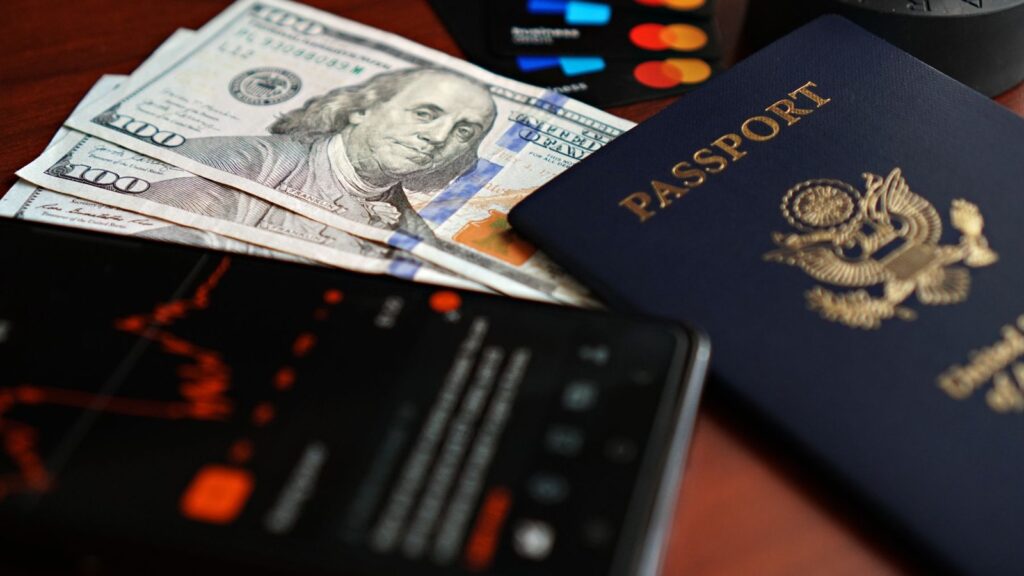
The FTC says a credit card gives the strongest protection if something goes wrong. If an item never arrives, is charged incorrectly or turns out to be defective or the wrong thing, you can dispute the charge with the card company. The FTC advises calling the company right away and asking it to hold the payment while it investigates. You also need to send a written dispute that reaches the company within 60 days of the date it mailed the bill that shows the error.
Debit cards and other payment methods may work differently, so check with your bank or card issuer. Stay inside the platform’s checkout too, since paying outside it can remove buyer protection.
Keep a paper trail
Save the listing (screenshot it), the seller’s name, the order confirmation, the return policy and every message. The FTC lists these as the records that help if you need to dispute a charge. If the seller won’t fix a problem, contact the site, then your card company, and report fraud at ReportFraud.ftc.gov.
Your pre-checkout checklist
- I compared the listed measurements to a piece that fits me.
- I know the fabric, and I’m fine with how it has to be cleaned.
- I looked at several photos of the actual item, including close-ups of wear spots.
- I read the return policy for this listing, including the deadline and who pays shipping.
- The price makes sense for the item and brand.
- I’m paying through the platform’s checkout with a method I can dispute.
- I saved a screenshot of the listing and the seller’s answers.
Frequently asked questions
Do the size tags matter at all?
A little, as a rough guide to the cut. The measurements are what decide whether it fits, especially for older pieces or items that have been washed a lot.
What if the care tag is gone?
Ask the seller if they know the fiber and how they’ve washed it. If nobody knows, treat the piece as delicate, and think twice about anything that looks like silk, wool or a structured blazer.
Are secondhand sellers legally required to accept returns?
It varies by seller, site and location, and this article can’t give legal advice. The practical move is to read the listing’s return terms and the site’s buyer protection rules before you pay. If you have a specific legal question, check with your state attorney general’s consumer office.
What if the item shows up and it isn’t what was listed?
Contact the seller first, keep your records, and use the site’s dispute process if there is one. If you paid by card, you can dispute the charge with your card company, mind the deadlines, and you can report dishonest sellers to the FTC.
Before you decide
You don’t need to be paranoid about secondhand shopping, just a bit methodical. If a listing leaves too many questions unanswered, skipping it costs you nothing.
Sources
- Clothes Captioning: Complying with the Care Labeling Rule – Federal Trade Commission
- Threading Your Way Through the Labeling Requirements Under the Textile and Wool Acts – Federal Trade Commission
- Online Shopping – Federal Trade Commission Consumer Advice
- Buying From an Online Marketplace – Federal Trade Commission Consumer Advice
Last updated: November 2026. This article is general information, not legal or financial advice.